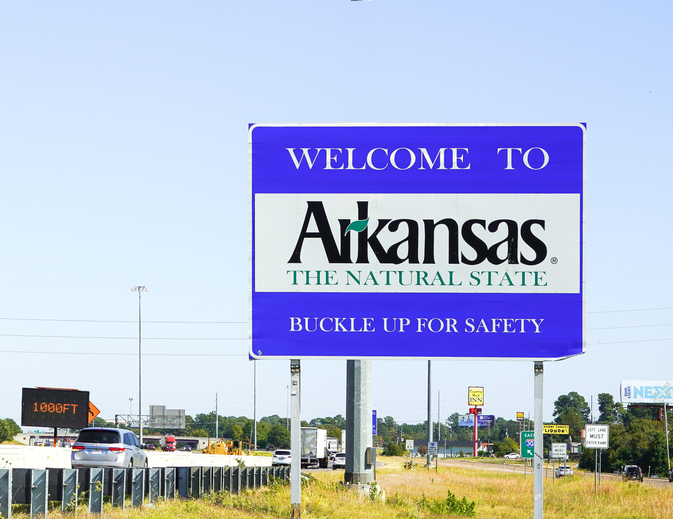
Car accident rates across Arkansas continue to raise concerns among safety officials, attorneys, and insurers alike. Data from the Arkansas Department of Transportation (ARDOT) shows thousands of crashes each year, with many linked to speeding, distraction, intoxication, or fatigued driving. According to the National Highway Traffic Safety Administration (NHTSA), Arkansas’ roadway fatality rate remains above the national average—an ongoing consequence of the state’s mix of rural highways, aging infrastructure, and heavy commercial-vehicle traffic.
This evergreen overview examines the conditions that make Arkansas’s roadways hazardous, incorporates recent accident examples, and explains why legal guidance is often essential for victims and families after a collision.
Major Highways Remain High-Risk Corridors
Arkansas’s interstate system carries a demanding combination of commuter traffic and commercial freight, creating a setting where high-speed travel and congestion routinely collide.
Interstate 55, one of the state’s primary freight routes, sees frequent tractor-trailer accidents. Recently, two crashes near Blytheville—including a commercial vehicle collision with injuries—reinforced what the Federal Motor Carrier Safety Administration (FMCSA) consistently warns: fatigue, improper cargo handling, and limited stopping distance make truck-involved crashes more destructive than typical car accidents.
Interstate 49 near Springdale and Rogers also remains a trouble spot. A recent two-vehicle collision slowed northbound traffic for miles, highlighting what AAA has repeatedly documented—dense, fast-moving traffic dramatically increases the risk of multi-vehicle crashes.
Rural Highways Bring Their Own Set of Risks
While interstates receive the most attention, rural roads often generate the most severe outcomes. The Insurance Institute for Highway Safety (IIHS) reports that fatal crashes occur more frequently on rural roads because of limited lighting, narrow lanes, and slower emergency response times.
Two recent examples in Arkansas highlight this trend:
- A deadly crash at the junction of Arkansas Highway 1 and Highway 261 near Caldwell, resulting in one hospitalization and one fatality.
- A tragic head-on crash along U.S. Highway 65 in Searcy County that killed four individuals, including a minor passenger. IIHS research confirms that head-on collisions—common on undivided rural highways—remain among the deadliest crash types nationwide.
These incidents are reminders that rural Arkansas roads often lack divided lanes, rumble strips, and proper visibility, leaving drivers more vulnerable to high-impact collisions.
Why These Crashes Matter for an Evergreen Legal Discussion
Even as the details of individual crashes change, the underlying legal and safety issues stay consistent year after year.
1. Negligence Is the Driving Factor in Most Collisions
NHTSA data shows more than 90% of crashes nationwide stem from driver behavior. Whether it’s distracted driving on I-49 or speeding on Highway 65, negligent decisions continue to fuel serious accident trends across the state.
2. Commercial Vehicle Crashes Carry Added Complexities
When an 18-wheeler is involved, liability rarely stops with the driver. Trucking companies, freight handlers, maintenance contractors, and insurers all become part of the legal landscape. The FMCSA’s regulatory requirements introduce additional legal layers that an injured person shouldn’t attempt to navigate alone.
3. Rural Medical Delays Increase the Severity of Injuries
Studies from the National Library of Medicine (NIH) show that longer EMS response times in rural regions directly correlate with higher fatality rates. That reality plays out repeatedly in Arkansas, where crash victims may wait far longer for trauma care than those in urban areas.
4. Insurance Companies Often Minimize Injury Claims
The Arkansas Insurance Department has documented patterns of insurers undervaluing claims or delaying payouts—especially when commercial carriers are involved. For many victims, especially those facing long recovery times, lost wages, and mounting medical debt, this resistance adds unnecessary hardship.
Because of these challenges, residents in regions with higher crash rates—such as those researching auto accidents in Pine Bluff, AR, Little Rock, or Jonesboro—often turn to legal counsel early in the process to avoid being taken advantage of by insurance adjusters.
What Injured Drivers Should Do After a Crash
Anyone involved in a car accident in Arkansas should take protective steps immediately:
- Get emergency medical evaluation—even “minor” injuries can worsen later.
- Photograph the crash scene, vehicles, roadway conditions, and visible injuries.
- Request and keep copies of the police report.
- Avoid giving recorded statements to insurers before speaking with a lawyer.
- Track all medical bills, missed work, and out-of-pocket expenses.
- Consult with a personal injury attorney, especially if the accident involved a commercial truck, serious injury, or a fatality.
An experienced attorney can assess liability, communicate with insurers, and protect the victim’s rights from the outset.
How Arkansas Drivers Can Protect Themselves Legally After a Serious Crash
Arkansas’s roads—from the high-speed lanes of I-55 and I-49 to the rural stretches of Highway 1 and Highway 65—continue to present significant risks for everyday drivers. The recent crashes across Blytheville, Caldwell, and Searcy County show just how quickly routine travel can turn tragic. While these incidents change over time, the underlying legal issues remain constant: negligent drivers, inadequate road infrastructure, and aggressive insurance tactics.
For victims and families navigating the aftermath of a collision, understanding these risks—and seeking legal guidance early—can make a critical difference in rebuilding and securing fair compensation.